
Nutrition Tips for Beginners: Discover 10 simple, actionable changes to improve your diet and enjoy a healthier life starting today.
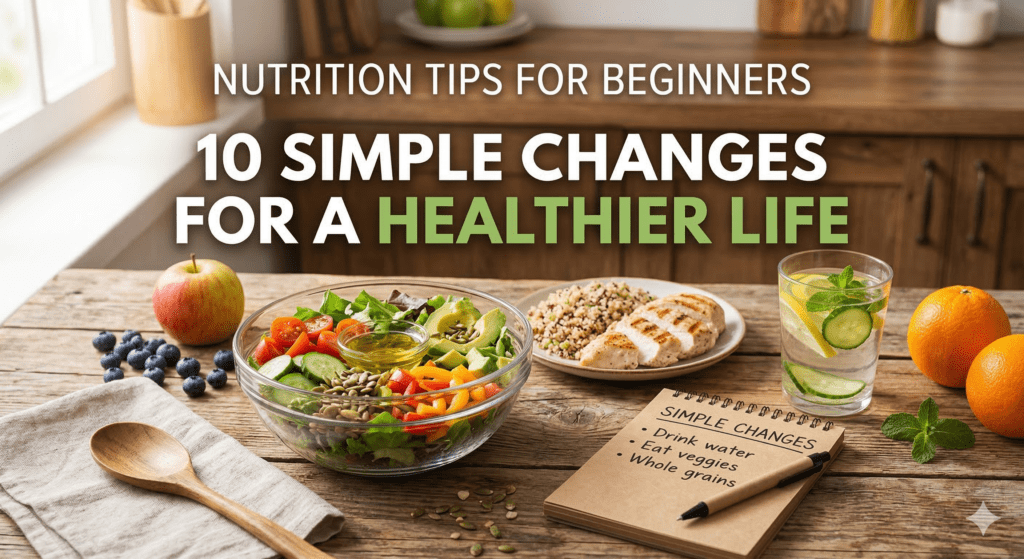
Starting a journey toward better nutrition can feel overwhelming. With countless diets, supplements, and conflicting advice online, beginners often struggle to know where to start. The truth is, achieving a healthier life doesn’t require drastic measures — even small, consistent changes can make a big difference.
In this guide, we share Nutrition Tips for Beginners that are simple, actionable, and backed by science. Whether your goal is more energy, better digestion, or just feeling healthier overall, these tips will help you take practical steps toward a balanced lifestyle. By the end of this post, you’ll have a clear roadmap to begin your journey to a healthier life without stress or confusion.
Understand the Basics of Nutrition
Before making changes, it’s essential to understand the fundamentals of nutrition. Knowledge empowers you to make smart decisions and avoid common mistakes.
Key Components of Nutrition:
- Macronutrients: Proteins, carbohydrates, and fats provide energy and support bodily functions.
- Micronutrients: Vitamins and minerals are essential for immunity, bone health, and energy production.
- Hydration: Water is critical for digestion, metabolism, and overall wellness.
Statistic:
A study by the National Institutes of Health found that 60% of adults do not meet their daily recommended intake of essential vitamins and minerals, showing how common nutrient gaps are.
Actionable Tip:
Keep a food diary for one week to assess your nutrient intake. Simple tracking helps beginners understand where adjustments are needed to support a healthier life.
Start with Small, Sustainable Changes
Drastic diets often fail because they’re hard to maintain. Begin with simple, sustainable changes to build long-lasting habits.
10 Simple Nutrition Tips for Beginners:
- Replace sugary drinks with water or herbal tea.
- Include one extra serving of vegetables at each meal.
- Add a source of protein in every meal to maintain fullness.
- Swap refined grains for whole grains like quinoa, oats, or brown rice.
- Limit processed foods gradually instead of eliminating them all at once.
- Practice mindful eating — avoid distractions like phones or TV.
- Plan weekly meals to avoid impulsive unhealthy choices.
- Keep healthy snacks accessible: nuts, yogurt, or fruit.
- Reduce salt intake by using herbs and spices for flavor.
- Incorporate healthy fats such as olive oil, avocado, or nuts.
Case Study:
Sarah, a beginner in her nutrition journey, swapped one sugary drink for water daily. Within two weeks, she reported more energy, reduced bloating, and improved focus. Small changes like these compound over time, leading to a healthier life.
Focus on Balanced Meals
Balanced meals are the cornerstone of good nutrition. They provide the nutrients your body needs and help maintain steady energy levels throughout the day.
Tips for Creating Balanced Plates:
- Protein: Lean meats, eggs, legumes, tofu, or fish
- Carbohydrates: Whole grains, starchy vegetables, fruits
- Healthy Fats: Avocado, olive oil, nuts, seeds
- Vegetables & Fruits: Fill at least half your plate with colorful produce
Statistic:
Research shows that people who eat balanced meals daily have a 25% lower risk of chronic diseases like diabetes and heart disease.
Example:
Using the “half-plate rule”: half your plate vegetables, one-quarter protein, and one-quarter whole grains ensures balanced nutrition. This strategy is easy for beginners to follow and supports a healthier life over time.
Plan and Prep Meals Ahead of Time
Meal planning is a game-changer for beginners. Planning helps avoid last-minute unhealthy choices and ensures your meals are nutritionally balanced.
How to Start Meal Planning:
- Dedicate one day a week to prep meals or ingredients.
- Make a grocery list with whole, unprocessed foods.
- Batch cook staples like grilled chicken, roasted vegetables, or quinoa.
Example:
John, a busy professional, preps three meals every Sunday. As a result, he saves 4 hours per week and consistently eats balanced, nutrient-rich meals.
Additional Tip for Beginners:
Use reusable containers and portion sizes to make meals grab-and-go. This small step reduces stress and keeps you on track toward a healthier life.
Track Progress, Adjust, and Stay Consistent
Nutrition is personal. What works for one person may not work for another, so it’s crucial to monitor progress and make adjustments.
Monitoring Strategies:
- Keep a journal of meals, moods, and energy levels.
- Track improvements in digestion, sleep, and overall wellness.
- Adjust portion sizes, nutrient intake, or meal timing based on your observations.
Example:
Emma noticed she felt fatigued mid-afternoon. After tracking her meals, she realized her lunch lacked protein and fiber. By adding beans and vegetables, she experienced more sustained energy and improved focus.
Actionable Tip:
Consistency matters more than perfection. Implement one or two nutrition tips at a time and gradually build up. Over weeks, these small, consistent changes create a long-lasting healthier life.
Additional Tips for Beginners
- Include fiber-rich foods: Vegetables, fruits, legumes, and whole grains improve digestion.
- Limit added sugars: Read labels and avoid foods with hidden sugars.
- Stay active: Combine healthy eating with regular physical activity for optimal results.
- Educate yourself: Learn about nutrition from credible sources to make informed decisions.
- Celebrate small wins: Every positive change brings you closer to a healthier life.
Conclusion
Starting a nutrition journey doesn’t have to be overwhelming. By following these Nutrition Tips for Beginners, you can make simple, sustainable changes that improve energy, mood, and overall wellbeing.
Call-to-Action:
Pick one simple change from this list today — whether it’s swapping a sugary drink for water or adding one extra serving of vegetables — and take a step toward a healthier life. Remember, small steps over time lead to lasting results.
Frequently Asked Questions (FAQs)
Q1: How can a beginner start eating healthier without feeling overwhelmed?
A: Start small with one change at a time, like drinking water instead of sugary beverages. Gradually add more tips over time.
Q2: What is a balanced meal for beginners?
A: A meal containing protein, whole grains, healthy fats, and plenty of vegetables. Use the half-plate rule for easy portioning.
Q3: How long before I see results from nutrition changes?
A: Results vary, but small improvements like better energy and digestion can appear within 2–4 weeks.
Q4: Can I improve my health without following a strict diet?
A: Absolutely. Gradual, sustainable changes lead to better long-term results than strict diets.
Q5: Should beginners track meals?
A: Yes. Tracking helps identify nutrient gaps, monitor progress, and maintain accountability.
