
Are high protein wraps good for weight loss? Learn how protein, calories, and ingredients affect results plus easy meal ideas that keep you fuller longer.
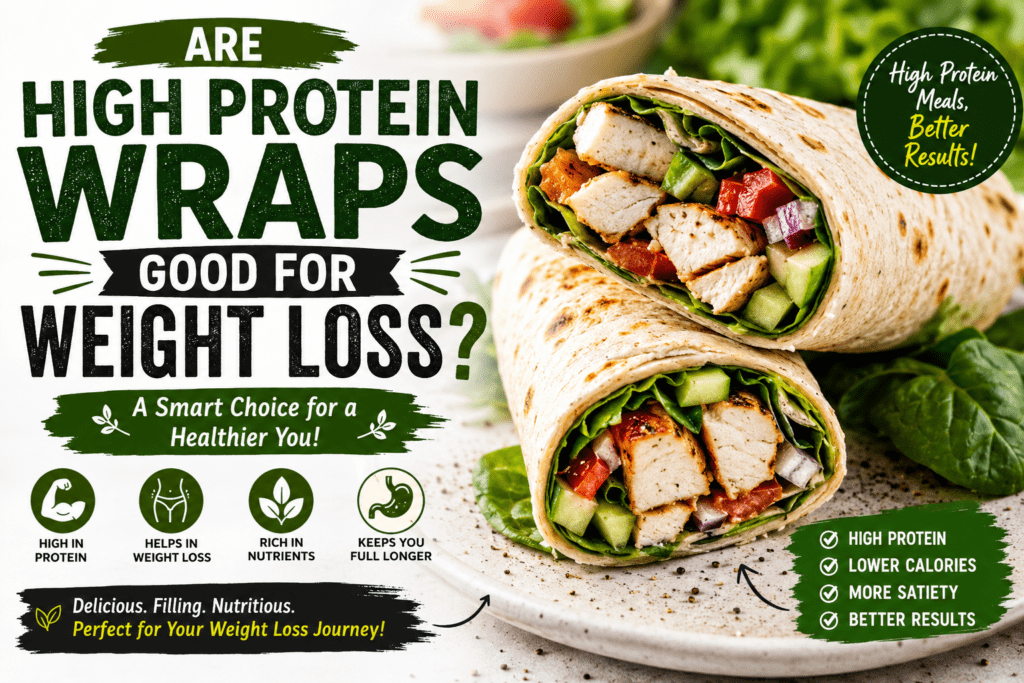
If you’re trying to lose weight, one of the hardest parts usually isn’t motivation — it’s hunger.
You start the day with good intentions, eat a light lunch, and then by mid-afternoon you’re reaching for snacks because you’re hungry again. That’s exactly why more people are turning to high protein wraps as a practical option for weight management.
But an important question remains:
Are high protein wraps good for weight loss?
The short answer is yes — but only when you choose the right type of wrap and fill it with the right ingredients.
Not all wraps support fat loss. Some are marketed as “healthy” but still contain refined flour, added oils, and more calories than expected. Others can genuinely help you stay full, control cravings, and make weight loss easier.
In this guide, you’ll learn:
- whether high protein wraps actually help with fat loss
- how protein affects hunger and calorie control
- what makes some wraps better than others
- how to build a weight-loss-friendly wrap
- real examples you can use right away
This article naturally explores both target search phrases:
Why Protein Matters for Weight Loss
Protein plays a major role in fat loss because it affects satiety, muscle retention, and overall calorie intake.
When you eat more protein, you generally feel fuller for longer. That matters because hunger is often what derails a calorie deficit.
What current research shows
Here are some relevant statistics:
- Protein has the highest satiety effect among the three macronutrients. Research consistently shows protein-rich meals reduce hunger more effectively than meals high in refined carbohydrates.
- A high-protein diet can reduce daily calorie intake by roughly 400 calories in some studies because people naturally feel less hungry.
- The thermic effect of protein is about 20–30%, meaning your body uses more energy digesting protein compared with carbs or fat.
- Adults aiming for fat loss often benefit from around 1.2 to 1.6 grams of protein per kilogram of body weight per day, according to several nutrition reviews.
Those numbers matter because weight loss is ultimately about sustained calorie control.
Why this matters with wraps
Traditional wraps often rely heavily on refined carbohydrates.
That can lead to a quick spike in energy — followed by hunger sooner than expected.
By contrast, high protein wraps can create a more balanced meal, especially when paired with lean fillings like chicken, tuna, turkey, eggs, tofu, or cottage cheese.
That’s the reason many people ask whether high protein wraps good for weight loss — and the science strongly suggests protein itself is a major advantage.
Are High Protein Wraps Good for Weight Loss?
The honest answer is:
Yes, high protein wraps can be good for weight loss — if they help you stay full while keeping total calories under control.
That sounds simple, but it’s where many people get confused.
A wrap itself does not cause fat loss
Weight loss happens when you consistently consume fewer calories than you burn.
A high-protein wrap helps because it can make that calorie deficit easier to maintain.
When high protein wraps help
They can support fat loss when they:
- reduce hunger between meals
- help prevent snacking later
- make portion control easier
- provide protein without excessive calories
When they can work against weight loss
A wrap can quickly become calorie-dense if it contains:
- creamy sauces
- large amounts of cheese
- processed meats
- oversized tortillas
- fried fillings
That means even high protein wraps can become high-calorie meals if you’re not paying attention to what goes inside.
A useful rule
A weight-loss-friendly wrap usually contains:
- 25–35g protein
- 350–500 calories
- high fiber ingredients
- vegetables for volume
That combination tends to keep hunger under control while still fitting into a fat-loss plan.
So yes — high protein wraps good for weight loss when built strategically.
What Makes Some High Protein Wraps Better Than Others?
Not every wrap sold as “high protein” is equally useful.
Packaging can be misleading.
Some wraps add protein but still contain lots of refined flour, sodium, or calories.
What to look for in a better wrap
When buying or making high protein wraps, check these factors:
1. Protein content
Aim for at least 8–15 grams of protein per wrap.
That gives you a stronger foundation before you even add fillings.
2. Calories
Some wraps marketed as healthy still contain 220–300 calories each.
For weight loss, many people do better in the 90–180 calorie range, depending on the rest of the meal.
3. Fiber
Fiber helps with fullness.
A better wrap often includes 4 grams or more of fiber.
4. Ingredient quality
Shorter ingredient lists are usually easier to work with.
Look for:
- whole grains
- oat flour
- chickpea flour
- lentil flour
- egg-based wraps
Quick checklist
When choosing a wrap, ask:
- Does it contain meaningful protein?
- Are calories reasonable?
- Does it include fiber?
- Will it help me stay full?
If the answer is yes, it may fit your goals well.
How to Build High Protein Wraps for Weight Loss
This is where results really happen.
A good wrap is not just about the tortilla — it’s about the entire meal.
A simple formula
Build your high protein wraps using this structure:
Step 1: Start with a protein base
Choose one:
- grilled chicken breast
- turkey breast
- tuna
- salmon
- egg whites
- cottage cheese
- Greek yogurt
- tofu
- tempeh
Aim for 20–30 grams of protein from the filling.
Step 2: Add high-volume vegetables
Vegetables increase fullness without adding many calories.
Good options include:
- spinach
- lettuce
- cucumber
- tomato
- red onion
- bell peppers
- shredded cabbage
Step 3: Use sauce carefully
This is where calories often jump.
Better choices:
- mustard
- Greek yogurt dressing
- salsa
- hummus in moderation
Step 4: Watch calorie-dense extras
Limit large amounts of:
- mayonnaise
- avocado (portion matters)
- shredded cheese
- crispy toppings
Example of a balanced wrap
A strong fat-loss-friendly wrap could look like this:
Chicken protein wrap
- high-protein tortilla
- 100g grilled chicken
- spinach
- tomato
- cucumber
- Greek yogurt dressing
Approximate nutrition:
- 380–430 calories
- 30–35g protein
- good fiber
- high satiety
That’s exactly why many people find high protein wraps good for weight loss — they can be filling without feeling restrictive.
Real-Life Example — Why High Protein Wraps Often Work Better Than a Typical Lunch
Let’s compare two realistic lunches.
Lunch option A: standard quick lunch
- regular wrap
- breaded chicken
- cheese
- creamy sauce
Approximate nutrition:
- 650–750 calories
- 18–22g protein
This meal may taste satisfying at first, but it’s often less filling than expected.
Lunch option B: high-protein weight-loss wrap
- high-protein tortilla
- grilled chicken breast
- spinach
- tomato
- salsa
- Greek yogurt
Approximate nutrition:
- 400–450 calories
- 32–38g protein
Why this matters
That’s a difference of roughly:
- 200–300 fewer calories
- 10–15g more protein
Over time, small changes like that can matter a lot.
Case study example
Imagine someone replaces a 700-calorie lunch with a 430-calorie high-protein wrap five days a week.
That’s about:
270 calories saved per day × 5 days = 1,350 calories per week
Over several months, that kind of change can meaningfully support fat loss — without feeling like a strict diet.
That’s why high protein wraps often work so well in real life.
They’re practical.
They’re portable.
And they help reduce the “I’m hungry again in an hour” problem.
Practical Tips to Make High Protein Wraps More Effective
Here are simple ways to make your wraps work better for fat loss:
Best practices
- Prioritize protein first
Build the wrap around lean protein, not around sauces or cheese. - Use vegetables generously
They create volume without many calories. - Keep sauces controlled
Even healthy sauces can add calories fast. - Choose wraps intentionally
Don’t assume “healthy” marketing means weight-loss friendly. - Prep wraps in advance
Meal prep helps avoid impulsive eating.
Common Mistakes People Make
Even healthy eaters often make these errors.
Mistake 1: Choosing oversized wraps
Bigger isn’t always better.
A larger tortilla can add 100–150 extra calories before fillings.
Mistake 2: Assuming protein means low calorie
A product can be high protein and still calorie-dense.
Mistake 3: Overloading toppings
Cheese, avocado, and creamy dressings are nutritious — but portion size matters.
Mistake 4: Ignoring total daily intake
Even the best high protein wraps won’t cause weight loss if total calories remain too high.
Conclusion
So — are high protein wraps good for weight loss?
Yes.
For many people, they can be an excellent fat-loss tool.
The biggest reason is simple:
They make it easier to stay full while keeping calories under control.
The best high protein wraps combine:
- meaningful protein
- moderate calories
- high-volume vegetables
- sensible portions
That combination can reduce cravings, support consistency, and make healthy eating feel much more practical.
Key takeaway
A wrap does not magically burn fat.
But the right wrap can absolutely make weight loss easier.
Call to action:
The easiest next step is to try replacing one typical lunch this week with a balanced high protein wraps meal and notice how your hunger, energy, and cravings change.
FAQ
1. Are high protein wraps better than bread for weight loss?
They can be, especially if they contain more protein and fiber than regular bread. What matters most is the total calories and the filling.
2. How much protein should a weight-loss wrap contain?
A good target is 25–35 grams of protein per meal.
3. Can I eat high protein wraps every day?
Yes, as long as they fit your overall calorie needs and include varied ingredients.
4. Are store-bought protein wraps healthy?
Some are. Always check calories, protein, fiber, and ingredient quality.
5. What is the best filling for weight loss?
Lean protein plus vegetables usually works best — chicken, turkey, tuna, egg whites, tofu, or cottage cheese.
