Discover the best air purifying plants safe for cats and dogs at home. Improve indoor air quality without risking your pets’ health.
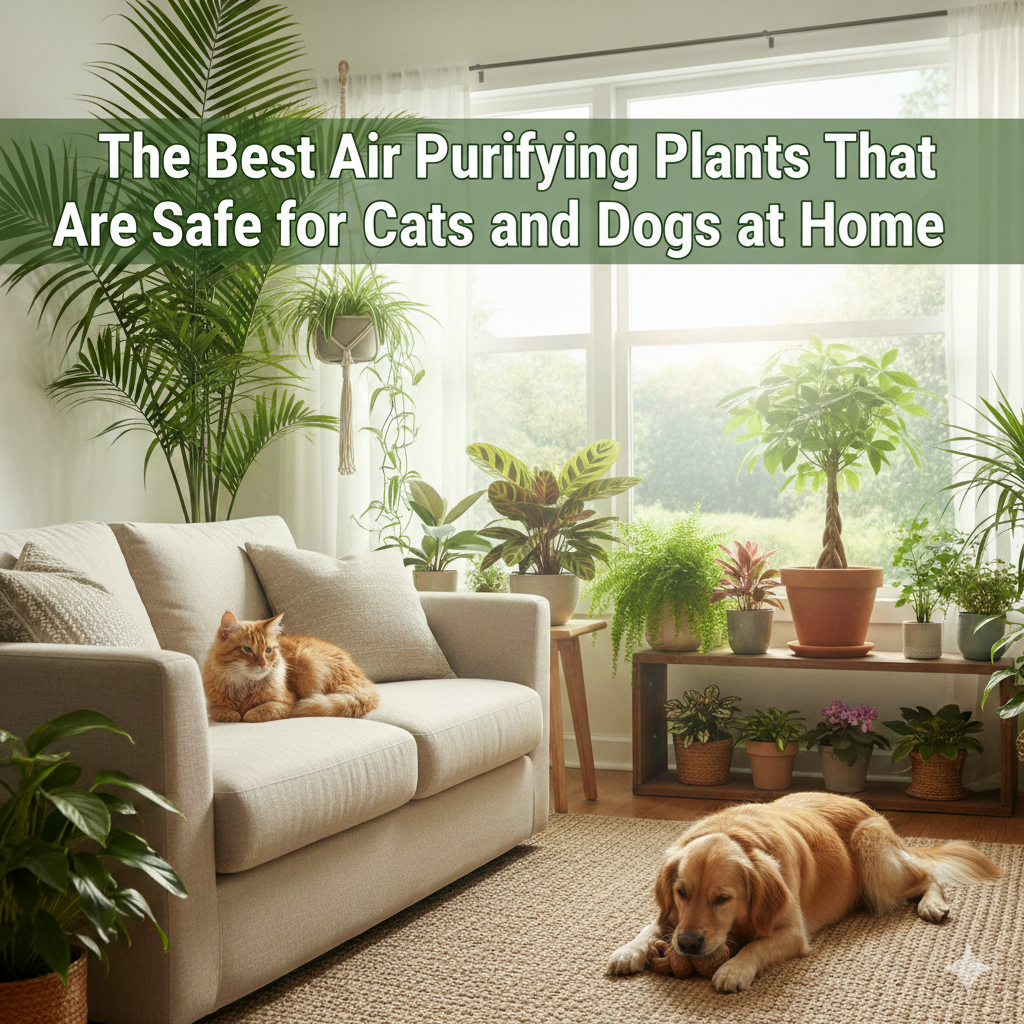
If you share your home with pets, you already know how important it is to create a safe and healthy living environment. Many homeowners turn to air purifying plants to improve indoor air quality, reduce toxins, and add natural beauty to their spaces. But there’s a challenge: some popular houseplants can be toxic to cats and dogs at home.
The good news? You don’t have to choose between clean air and pet safety. There are several air purifying plants that are both effective and non-toxic to pets. In this guide, you’ll discover the best pet-safe plants, how they help improve air quality, and practical tips for integrating them into your home. You’ll also learn what to avoid, how to care for these plants, and how to maximize their benefits.
By the end of this article, you’ll feel confident choosing greenery that protects both your indoor air and your furry family members.
Why Air Purifying Plants Matter in Homes with Pets
Indoor air pollution is more common than many people realize. According to the Environmental Protection Agency (EPA), indoor air can be 2–5 times more polluted than outdoor air. For households with pets, maintaining good air quality becomes even more important.
Pets contribute to indoor air particles through dander, fur, and tracked-in dust. Plants can help balance this environment in several ways.
Research from NASA’s Clean Air Study found that certain houseplants can remove airborne toxins like benzene and formaldehyde. Another study published in environmental health research shows that indoor plants may reduce stress and improve overall well-being.
Here are a few important statistics:
- Indoor air pollution is ranked among the top five environmental health risks (EPA)
- Homes with pets can contain higher levels of airborne allergens
- People spend about 90% of their time indoors, increasing exposure to indoor pollutants
- Plants can help increase indoor humidity by up to 5%, which may ease respiratory irritation
- Exposure to greenery has been linked to lower stress and improved mood
For pet owners, the key is selecting plants that clean the air without introducing toxicity risks.
The Best Pet-Safe Air Purifying Plants for Your Home
Not all air purifying plants are safe for pets. Fortunately, several beautiful options provide air benefits while remaining non-toxic to cats and dogs.
Top pet-safe air purifying plants include:
- Areca Palm – Excellent for humidity and toxin removal
- Spider Plant – Easy to grow and beginner-friendly
- Boston Fern – Great natural air humidifier
- Calathea – Decorative leaves and pet-safe
- Bamboo Palm – Helps filter indoor pollutants
These plants offer a combination of visual appeal and air-cleaning potential.
Areca Palm is especially effective at improving humidity levels, which can benefit both pets and humans during dry seasons. Spider Plants are resilient and adapt well to different lighting conditions, making them ideal for busy households. Boston Ferns thrive in bathrooms or kitchens where humidity is higher.
When placing plants, consider areas where pets frequently rest. Elevated shelves or plant stands can prevent accidental chewing while still allowing the plants to improve air circulation.
How to Create a Pet-Safe Indoor Plant Environment
Bringing plants into a home with pets requires thoughtful planning. Even pet-safe plants should be protected from rough play or over-curious nibbling.
Here are practical strategies for maintaining a safe indoor plant setup:
Smart placement tips:
- Use hanging planters to keep plants out of reach
- Place pots on stable, heavy bases to prevent tipping
- Avoid chemical fertilizers that could harm pets
- Regularly remove fallen leaves
- Train pets with gentle redirection if they show interest
Creating a designated plant zone can help balance accessibility and safety. Window sills, wall shelves, and corner stands are excellent options.
You should also monitor how your pets interact with new plants. Some animals ignore greenery completely, while others may investigate out of curiosity.
Caring for Air Purifying Plants in a Pet Household
Proper plant care ensures maximum air-cleaning benefits and long-term health. Fortunately, most pet-safe air purifying plants are relatively low maintenance.
Key care considerations include light, watering, and soil quality.
Most of these plants prefer indirect sunlight and consistent watering schedules. Overwatering can lead to mold growth in soil, which negatively impacts indoor air.
Use organic or pet-friendly fertilizers whenever possible. Avoid chemical pesticides and choose natural pest control methods such as neem oil or manual cleaning.
Dust accumulation on leaves can reduce a plant’s ability to filter air. Gently wiping leaves with a damp cloth every few weeks helps maintain efficiency.
Healthy plants not only clean air better but also create a calming atmosphere that benefits both pets and people.
Real-Life Example: A Pet Owner’s Indoor Air Transformation
Consider the experience of Sarah, a dog and cat owner living in a small apartment. She struggled with allergies and wanted a natural way to improve air quality without risking her pets’ safety.
Sarah introduced a mix of Spider Plants and Bamboo Palms into her living room and bedroom. Within weeks, she noticed reduced dryness in the air and fewer allergy symptoms. Her pets showed no adverse reactions and largely ignored the plants due to strategic placement.
This simple adjustment created a fresher, more comfortable indoor environment. Sarah’s case highlights how choosing the right plants can produce measurable improvements without sacrificing pet safety.
Conclusion
Creating a healthy indoor space doesn’t have to conflict with pet ownership. By choosing the right air purifying plants, you can improve air quality while keeping cats and dogs at home safe and comfortable.
Pet-safe plants like Areca Palm, Spider Plant, and Boston Fern offer natural air benefits, aesthetic appeal, and peace of mind. With thoughtful placement and proper care, these plants become a powerful addition to any pet-friendly household.
If you’re ready to enhance your home environment, start by adding one or two pet-safe air purifying plants today. Small changes can make a meaningful difference in your air quality and your pets’ well-being.
Frequently Asked Questions
1. Are air purifying plants really effective indoors?
Yes. While they are not a replacement for ventilation systems, studies show they can help reduce certain airborne toxins and improve humidity.
2. Can pets safely chew pet-friendly plants?
Even non-toxic plants may cause mild stomach upset if eaten in large amounts, so it’s best to discourage chewing.
3. How many plants are needed to improve air quality?
Experts suggest several medium-sized plants per room for noticeable benefits.
4. Which plants should pet owners avoid?
Avoid lilies, aloe vera, and pothos, as they can be toxic to pets.
5. Do air purifying plants require special care?
Most pet-safe varieties are low maintenance and thrive with basic watering and indirect light.
