Stop the bloat! Learn how to get high protein on a plant-based diet without a bloated stomach. Discover gut-friendly tips and easy-to-digest protein sources.
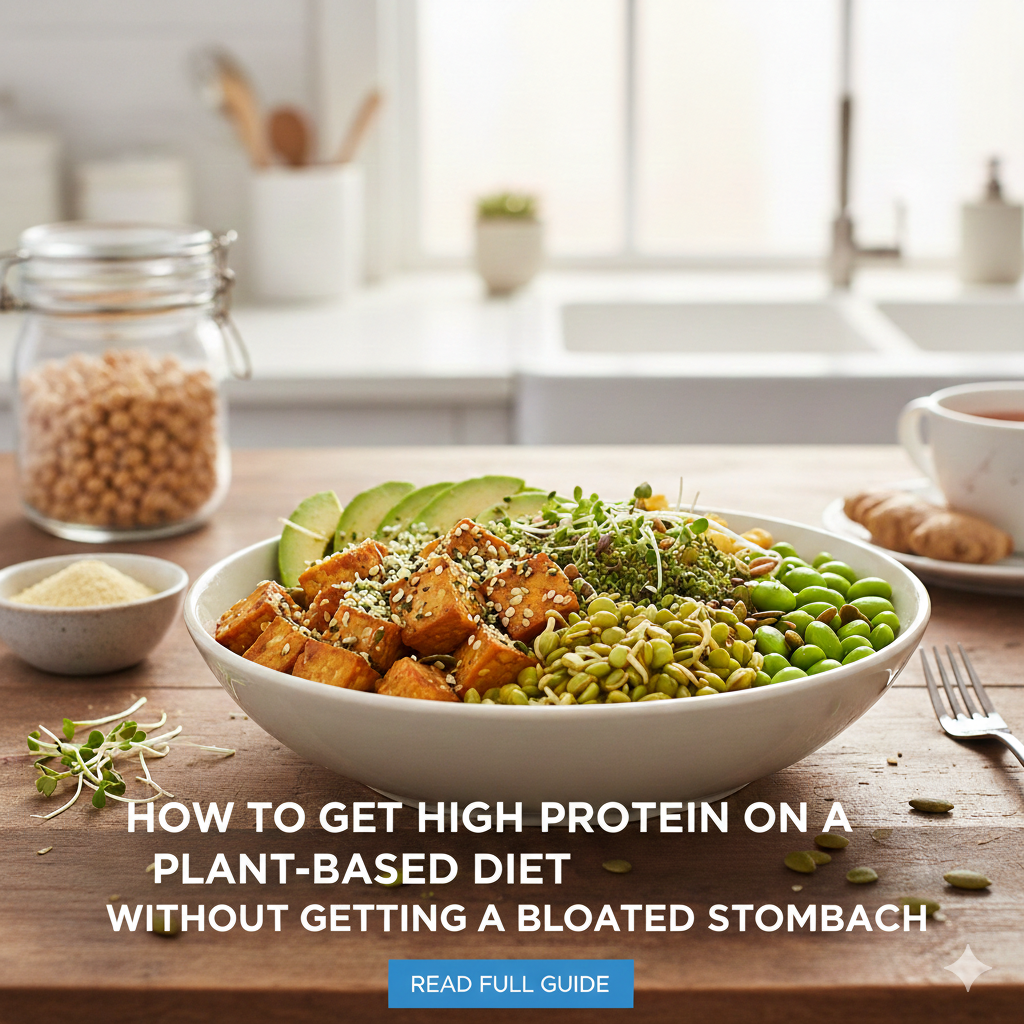
Transitioning to a plant-based lifestyle is often driven by a desire for better health, clearer skin, and boundless energy. However, many newcomers hit a frustrating, uncomfortable wall: the “vegan bloat.” You want to hit your macros and build muscle, but your stomach feels like an over-inflated balloon every time you finish a meal.
In this guide, we are going to solve the ultimate plant-based dilemma. We will explore how to get high protein on a plant-based diet while maintaining a flat, comfortable midsection. By understanding the science of digestion and choosing the right “gut-friendly” fuel, you can achieve your fitness goals without a bloated stomach holding you back.
The Science of the “Vegan Bloat”: Why It Happens
To fix a bloated stomach, we first have to understand why it’s happening. When you shift toward a plant-heavy diet, you aren’t just changing your protein source; you are drastically increasing your intake of fiber and complex sugars called oligosaccharides.
Recent 2025 nutritional statistics show that the average person transitioning to a plant-based diet increases their daily fiber intake by over 150% in the first week. While fiber is a “hero” for heart health, your gut microbiome needs time to adapt. Without a gradual transition, these fibers sit in the colon, where bacteria ferment them, creating the gas that leads to a bloated stomach.
Additionally, many plant proteins contain “antinutrients” like lectins and phytates. These are defense mechanisms for the plant, but for humans, they can interfere with enzyme function and slow down digestion, leading to that heavy, “brick in the stomach” feeling.
Choosing “Gut-Friendly” Proteins: Beyond Beans and Lentils
If your primary source of high protein on a plant-based diet is just canned beans, your gut is likely working overtime. To reduce the risk of a bloated stomach, we need to prioritize proteins that have been “pre-digested” through fermentation or sprouting.
The Best No-Bloat Protein Sources:
- Tempeh: Unlike tofu, tempeh is fermented. This process breaks down the soy proteins and anti-nutrients, making it incredibly easy on the gut.
- Sprouted Lentils: Sprouting “wakes up” the seed, neutralizing phytic acid and making the protein more bioavailable.
- Hemp Hearts: These are a “complete” protein and contain almost zero oligosaccharides, meaning they provide protein without the gas.
- Seitan (if not gluten-sensitive): Known as “wheat meat,” seitan is almost pure protein with very little fiber, which can actually be a relief for a gut that is currently overwhelmed by too much roughage.
- Pumpkin Seeds: High in zinc and magnesium, these support the production of stomach acid to help break down other foods.
The 3-Step Strategy for Optimal Digestion
Getting high protein on a plant-based diet isn’t just about what you eat, but how you prepare it. Use these three professional “hacks” to keep your stomach flat:
- The Soak and Rinse Method: If you use dried beans, soak them for 24 hours with a piece of Kombu (seaweed). The seaweed contains enzymes that break down the gas-producing sugars before they even enter your body.
- Slow and Steady Loading: Don’t try to hit 150g of protein using only legumes on day one. Start with 50% “easy” proteins (like hemp or tofu) and 50% “complex” proteins (beans), gradually shifting the ratio as your microbiome evolves.
- Mindful Chewing (The 20-Bit Rule): Digestion begins in the mouth. Plant proteins are encased in tough cell walls. If you don’t chew each bite 20 times, your stomach has to produce excess acid and gas to break down the chunks.
Case Study: The “Pro-Athlete” Pivot
Consider the case of Marcus, a competitive CrossFit athlete who switched to a plant-based diet in 2024. Initially, Marcus struggled with a chronic bloated stomach that affected his training performance. He was eating massive amounts of black beans and chickpeas to reach his 180g protein goal.
Marcus worked with a nutritionist to pivot his strategy. He replaced 60% of his bean intake with tempeh, pumpkin seed protein, and sprouted pea protein. He also began taking a ginger and fennel supplement before his largest meal. Within 14 days, his bloating decreased by 85%, and his energy levels during high-intensity training stabilized. Marcus’s journey highlights that a high protein on a plant-based diet is sustainable only when digestion is prioritized.
Supplements and Habits for a Flat Stomach
Sometimes, your gut needs a little extra help during the transition period.
- Digestive Enzymes: Look for a vegan-certified enzyme that specifically contains “Alpha-galactosidase.” This is the enzyme responsible for breaking down the complex carbs in beans.
- Hydration Metrics: Fiber absorbs water. If you are eating high protein on a plant-based diet but not drinking at least 3 liters of water, that fiber will turn into “concrete” in your digestive tract, causing a bloated stomach.
- Post-Meal Movement: A 10-minute walk after eating stimulates “peristalsis”—the muscle contractions that move food through your system—preventing gas from getting trapped.
Conclusion: Protein Without the Pain
You do not have to choose between your muscles and your comfort. Achieving high protein on a plant-based diet is entirely possible without the misery of a bloated stomach. By prioritizing fermented proteins, mastering the art of soaking and sprouting, and allowing your microbiome time to adjust, you can enjoy all the benefits of plant-based living with a light, energized, and flat stomach.
Call to Action: Ready to reset your gut? Download our “7-Day No-Bloat Vegan Meal Plan” below and start building muscle the gut-friendly way today!
Frequently Asked Questions (FAQ)
- Does tofu cause bloating as much as beans do? Usually, no. Tofu is processed in a way that removes much of the fiber and complex sugars found in whole soybeans, making it a “safer” bet for a flat stomach.
- How long does “vegan bloat” usually last? For most people, the gut microbiome takes 2 to 4 weeks to fully adjust to a high-fiber, plant-based protein intake.
- Are protein shakes better for a bloated stomach? It depends on the sweetener. Avoid shakes with sugar alcohols (like erythritol or xylitol), as these are famous for causing gas. Stick to sprouted pea or rice protein.
- Can I use Apple Cider Vinegar to help? Yes. Taking a tablespoon of ACV in water 15 minutes before a high-protein meal can help prime your stomach acid for better digestion.
- Is peanut butter a good “no-bloat” protein? Peanut butter is high in fat. While it doesn’t cause gas in the same way beans do, the high fat content can slow digestion, which might feel like “heaviness” or bloating for some.
