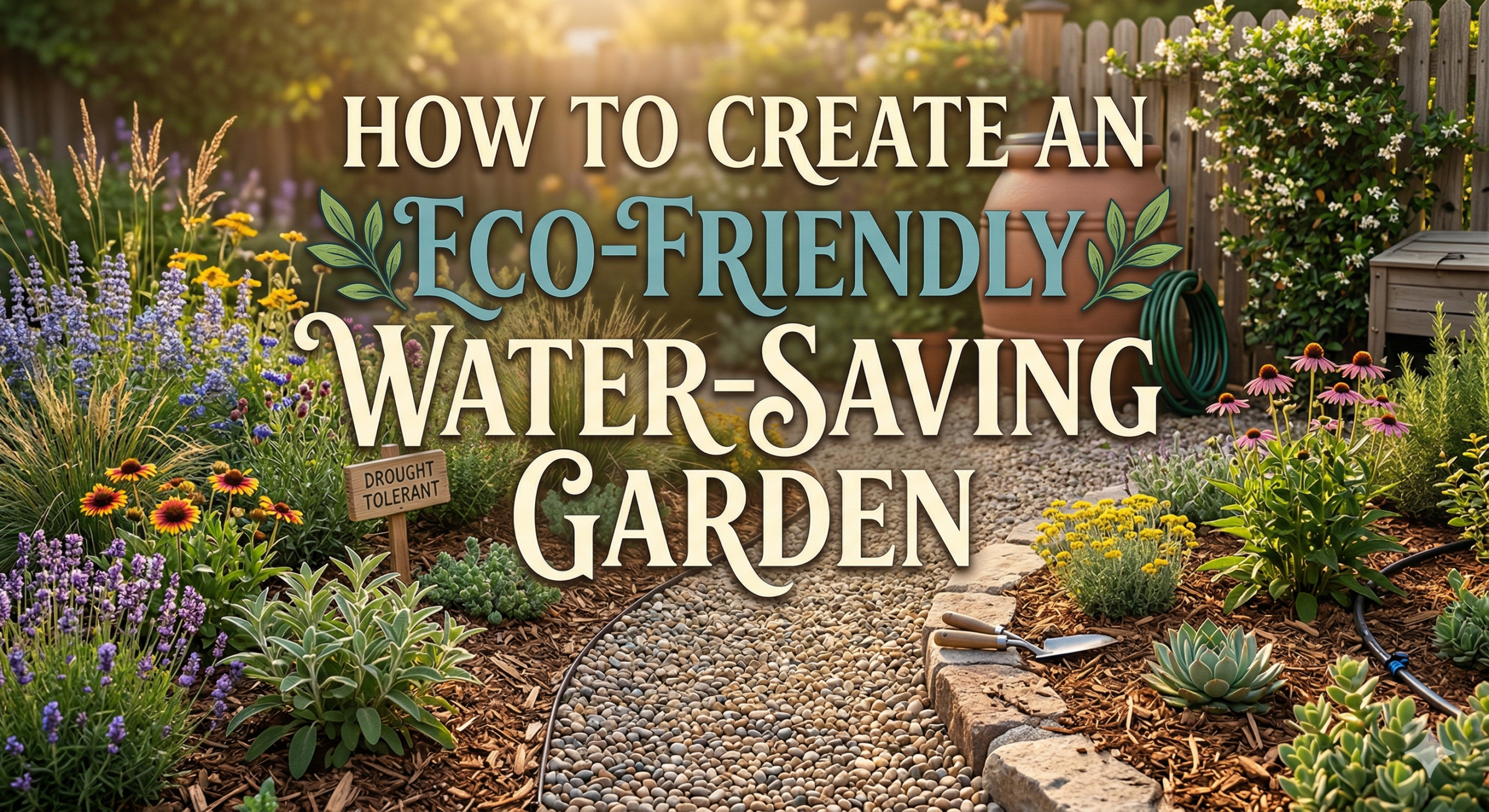
Learn how to create an eco-friendly water-saving garden with sustainable techniques, drought-tolerant plants, and practical water conservation tips.
Water scarcity, rising temperatures, and environmental concerns are reshaping the way we design our outdoor spaces. Creating an eco-friendly water-saving garden is more than a trend — it’s a necessity for gardeners who want a sustainable, beautiful, and low-maintenance space.
A water-saving garden helps reduce your water bills, supports local biodiversity, and creates a thriving landscape even in dry climates. Whether you’re a beginner gardener or looking to upgrade your backyard, this guide will provide actionable steps and strategies to transform your garden into an environmentally responsible oasis.
By the end of this article, you will know how to:
- Plan a water-saving garden efficiently
- Select eco-friendly plants that thrive in drought conditions
- Implement smart irrigation and water conservation techniques
- Use sustainable landscaping methods
- Maintain your garden for long-term water efficiency
Planning Your Eco-Friendly Water-Saving Garden
Start with Smart Planning for Your Water-Saving Garden
Planning is the foundation of a successful eco-friendly water-saving garden. Without a thoughtful design, even drought-tolerant plants and efficient irrigation won’t maximize water savings.
Steps to Plan Your Garden:
- Assess Sunlight and Soil:
- Note sun exposure, soil type, and drainage patterns.
- Identify areas that retain moisture naturally versus those prone to dryness.
- Set Goals:
- Define if your garden will focus on vegetables, ornamentals, or a mix.
- Determine if you want to attract pollinators or create a low-maintenance space.
- Zone by Water Needs:
- High-water plants should be clustered in shaded or moisture-retaining areas.
- Low-water, drought-tolerant plants can occupy sun-exposed zones.
- Plan Pathways and Hardscape:
- Use permeable pathways and mulch beds to reduce runoff and evaporation.
Case Study:
In Phoenix, Arizona, a homeowner redesigned a 500 sq. ft. backyard using a zoning plan and drought-resistant plants, resulting in a 45% reduction in water usage within one year.
Planning Checklist – Quick Reference:
- Map sunlight exposure
- Test soil moisture retention
- Determine plant water requirements
- Design irrigation layout
- Plan low-maintenance hardscape
Choosing the Right Plants
Select Drought-Tolerant and Eco-Friendly Plants
The backbone of any water-saving garden is its plant selection. Plants adapted to your local climate require less water, support wildlife, and reduce maintenance.
Recommended Plants for an Eco-Friendly Water-Saving Garden:
- Succulents & Cacti: Aloe, Echeveria, Agave
- Native Shrubs & Perennials: Lavender, Sage, Coneflower, Black-eyed Susan
- Herbs & Vegetables: Thyme, Rosemary, Kale, Beans
- Ground Covers: Creeping Thyme, Sedum, Ice Plant
Tips for Planting:
- Group plants with similar water needs to simplify irrigation.
- Plant densely to provide soil cover, reduce evaporation, and suppress weeds.
- Mulch around plants to conserve moisture and maintain soil health.
Statistic:
Studies show that using native and drought-tolerant plants can reduce garden water use by up to 50% annually compared to traditional landscaping.
Bullet List – Quick Planting Tips:
- Choose native or heat-tolerant species
- Cluster plants by water needs
- Apply organic mulch for moisture retention
- Avoid high-water exotic species
Water-Saving Techniques
Implement Smart Irrigation and Conservation Methods
A well-planned irrigation system is crucial for a water-saving garden. Modern techniques reduce waste, improve plant health, and make maintenance easier.
Techniques to Include:
- Drip Irrigation: Directly delivers water to plant roots, reducing evaporation by 30–50%.
- Rainwater Harvesting: Collect rainwater in barrels or tanks for supplemental irrigation.
- Mulching: Helps soil retain moisture, moderates temperature, and improves soil fertility.
- Greywater Recycling: Reuse water from sinks or showers for non-edible plants.
- Smart Irrigation Controllers: Adjust watering based on weather conditions to prevent overwatering.
Numbered Steps to Conserve Water Effectively:
- Install drip irrigation or soaker hoses
- Mulch beds with 2–3 inches of organic material
- Collect rainwater for irrigation
- Water early morning or late evening
- Monitor soil moisture regularly
Example:
A garden in Southern California installed drip irrigation and rainwater barrels, cutting water use by 60% within a single season while keeping plants healthy.
Additional Tips:
- Avoid traditional sprinklers that spray water on paths or driveways.
- Consider “xeriscaping” — landscaping with minimal water use.
Sustainable Landscaping Practices
Design Your Water-Saving Garden for Long-Term Sustainability
Sustainable landscaping enhances your eco-friendly water-saving garden while reducing maintenance and costs.
Sustainable Practices:
- Xeriscaping: Focuses on drought-tolerant plants and efficient layouts.
- Permeable Surfaces: Gravel, porous pavers, and decomposed granite allow water infiltration.
- Soil Enrichment: Compost and organic matter improve soil water retention.
- Shade Creation: Strategically planted trees reduce soil evaporation and cool surrounding areas.
- Edible Landscaping: Incorporate vegetables and herbs that require minimal irrigation.
Statistic:
According to the EPA, gardens using xeriscaping techniques can reduce water usage by 30–70%, depending on climate and soil type.
Additional Tips for Sustainable Landscaping:
- Integrate native plants to support pollinators
- Avoid turf grass in high-water-use areas
- Use mulch generously to retain moisture
Maintaining Your Eco-Friendly Water-Saving Garden
Ongoing Care for a Thriving Water-Saving Garden
Maintenance ensures that your eco-friendly water-saving garden remains effective over time. Proper care improves plant health, water efficiency, and overall aesthetics.
Maintenance Strategies:
- Regularly inspect irrigation systems for leaks
- Prune plants to encourage healthy growth and reduce water stress
- Replenish mulch annually
- Rotate seasonal plants for diversity and resilience
- Encourage beneficial insects to reduce pesticide use
Bullet List – Quick Maintenance Tips:
- Check drip irrigation monthly
- Mulch garden beds yearly
- Replace thirsty plants with drought-tolerant alternatives
- Introduce native flowering plants for pollinators
- Monitor soil moisture consistently
Example:
A homeowner in Texas maintained a water-saving garden using drip irrigation, native plants, and mulch, resulting in lush growth with 50% less water than a traditional garden.
Additional Tips for Maximum Water Efficiency
To take your water-saving garden further:
- Rain Gardens: Direct stormwater into garden beds to nourish plants naturally.
- Terracing & Contouring: Reduce runoff on slopes and direct water where needed.
- Container Gardens: Use pots with self-watering systems for herbs and vegetables.
- Greywater Integration: Safely recycle kitchen or bath water for irrigation.
Statistic:
Integrating multiple water-saving strategies can reduce overall garden water use by up to 70%, depending on climate and soil conditions.
Conclusion
Start Your Eco-Friendly Water-Saving Garden Today
Creating an eco-friendly water-saving garden is an achievable and rewarding way to support the environment while reducing water bills and maintenance efforts. By carefully planning your garden, selecting drought-tolerant plants, implementing efficient irrigation, and using sustainable landscaping practices, you can build a garden that thrives even in dry climates.
Call-to-Action:
Begin by assessing your garden layout today, select a few eco-friendly plants, and start implementing water-saving techniques. Share your progress online to inspire others to join the movement toward sustainable gardening!
Frequently Asked Questions (FAQs)
- What is a water-saving garden?
A garden designed to reduce water use through efficient irrigation, drought-tolerant plants, and sustainable landscaping. - Can I grow vegetables in a water-saving garden?
Yes! Focus on drought-tolerant vegetables like kale, beans, and herbs. Use mulch and drip irrigation for efficiency. - How much water can I save with a water-saving garden?
With efficient design and techniques, you can save 30–70% of water compared to a conventional garden. - What plants are best for an eco-friendly water-saving garden?
Native plants, succulents, heat-tolerant perennials, and drought-resistant shrubs are ideal. - Is mulch really effective for saving water?
Yes, mulch reduces evaporation, regulates soil temperature, and improves soil health, lowering irrigation needs.
