Discover the benefits of Hybrid Fitness for Beginners and learn an easy start plan to build strength, endurance, and overall fitness in 2026.
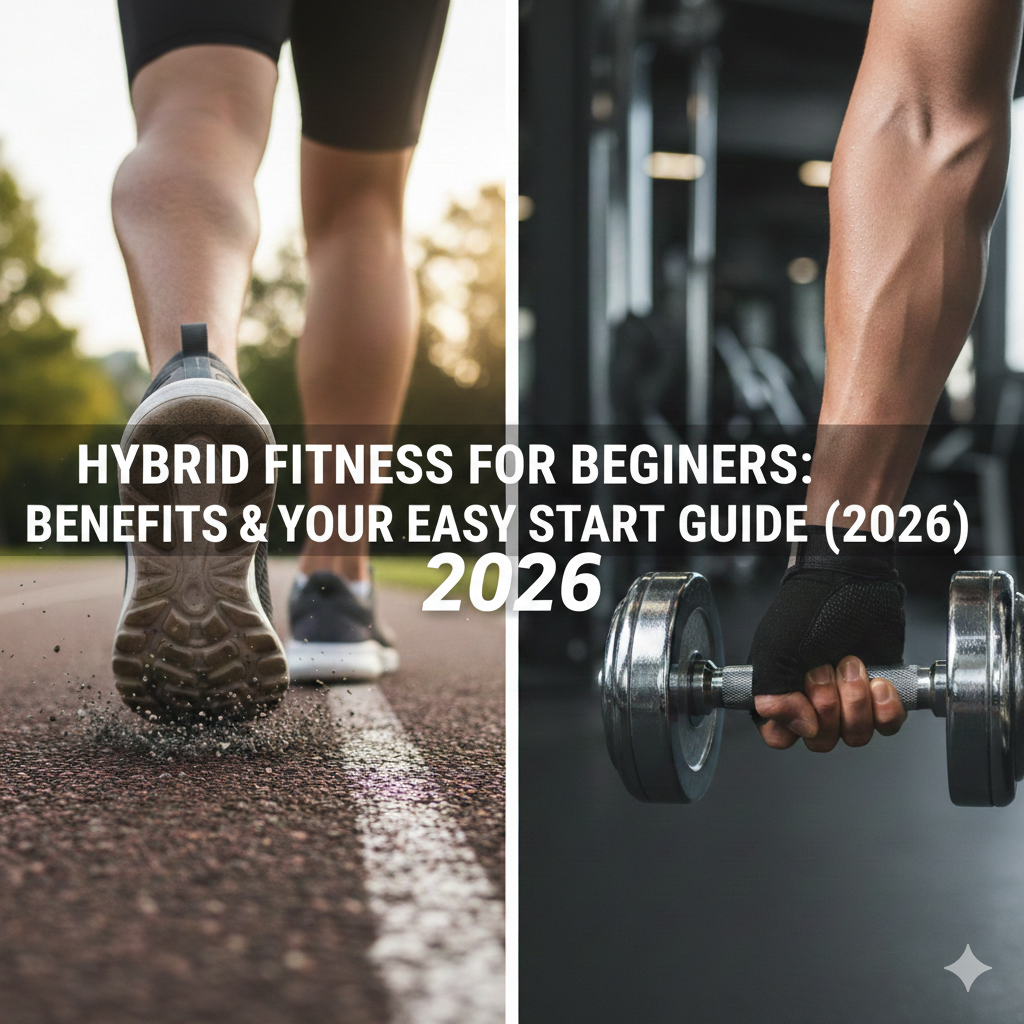
Have you ever struggled to decide between lifting weights to build muscle and doing cardio to boost endurance? Hybrid Fitness for Beginners offers a solution by combining both into a single, effective training system.
This guide explores the benefits of hybrid fitness, explains how it works, and provides an easy starter plan. By the end, you’ll understand how to safely and efficiently begin your hybrid fitness journey to improve strength, stamina, and overall health. Whether your goal is fat loss, increased energy, or better functional fitness, this article gives actionable steps for beginners in 2026.
What Is Hybrid Fitness and Why It Matters for Beginners
Hybrid fitness merges resistance training, cardiovascular exercise, and functional movement into one program. Instead of specializing in only strength or cardio, you train multiple systems simultaneously.
For beginners, hybrid training is ideal because it:
- Builds a strong, balanced foundation
- Reduces the risk of overuse injuries
- Keeps workouts engaging with variety
- Maximizes overall fitness progress
According to global fitness industry reports, functional and hybrid training consistently rank among the top trends worldwide. Health organizations recommend combining strength and cardio training to improve overall well-being, making hybrid fitness the perfect choice for beginners.
Key Benefits of Hybrid Fitness for Beginners
The benefits of hybrid fitness are extensive, especially for those just starting. Beginners can enjoy improvements across multiple areas of health and fitness at the same time.
1. Builds Strength and Endurance Simultaneously
Unlike programs that focus on one aspect of fitness, hybrid training develops both strength and cardiovascular endurance. Research shows that beginners who combine resistance and aerobic training see greater overall improvements in fitness and body composition.
2. Promotes Fat Loss and Metabolic Health
Hybrid workouts help burn calories while preserving lean muscle mass. Strength training boosts your metabolism, while cardio improves cardiovascular health. The benefits include sustainable fat loss and better insulin sensitivity — perfect for beginners seeking results.
3. Improves Functional Fitness
Hybrid fitness emphasizes compound exercises like squats, pushes, pulls, and carries. These movements enhance posture, coordination, and daily physical performance — a key benefit for anyone starting out.
4. Prevents Boredom and Encourages Consistency
Variety keeps workouts interesting. Beginners often quit due to repetitive routines. Hybrid fitness mixes different training styles, which improves adherence and long-term success.
5. Supports Long-Term Health
Studies link hybrid-style training with reduced risk of chronic diseases, improved bone density, and better mental health. Beginners gain not only fitness but also enhanced energy, mood, and longevity — major benefits that extend beyond the gym.
Components of a Beginner Hybrid Fitness Program
To experience the benefits of hybrid fitness, beginners should follow a balanced and structured approach. Focus on three pillars: strength training, cardiovascular conditioning, and recovery.
Strength Training
Start with full-body workouts 2–3 times per week:
- Squats or leg presses
- Push-ups or bench presses
- Rows or pull-downs
- Deadlifts or hinge movements
- Core exercises
These exercises lay the foundation for functional strength and stability.
Cardiovascular Conditioning
Include 2–3 sessions per week:
- Jogging, cycling, or brisk walking
- Interval training
- Rowing or swimming
Cardio complements strength training and enhances endurance, one of the key benefits of hybrid fitness.
Mobility and Recovery
Recovery supports progress. Stretching, mobility exercises, hydration, and quality sleep prevent injuries and maximize gains. A sample weekly schedule could be:
- Day 1: Strength
- Day 2: Cardio
- Day 3: Rest/mobility
- Day 4: Strength
- Day 5: Cardio
- Day 6: Optional light activity
- Day 7: Rest
Easy Starter Plan for Beginners
Follow these steps to begin your hybrid fitness journey:
- Set Clear Goals: Define whether you want fat loss, endurance, or overall fitness improvement.
- Start Small: Begin with 30–45 minute sessions to build consistency.
- Progress Gradually: Increase weight, reps, or cardio intensity over time.
- Track Your Workouts: Record progress to stay motivated and identify trends.
- Prioritize Recovery: Rest is where gains happen, so don’t skip it.
Example Case Study:
Sarah, a 32-year-old beginner, followed a hybrid fitness plan with two strength sessions and two cardio sessions per week. After 12 weeks:
- Squat strength increased by 40%
- 5K run time improved by 6 minutes
- Body fat decreased by 5%
- Energy levels improved significantly
Her results highlight the tangible benefits of hybrid fitness for beginners.
Common Mistakes to Avoid
- Overtraining: Start gradually to prevent burnout.
- Poor Form: Focus on technique before intensity.
- Ignoring Nutrition: Fueling properly is essential for results.
- Comparison: Progress is personal; avoid measuring yourself against others.
Conclusion
Hybrid Fitness for Beginners offers a balanced, effective path to strength, endurance, and overall health. By following a structured plan and understanding the benefits, beginners can enjoy sustainable progress, improved functional fitness, and long-term health improvements.
Next Step: Start your hybrid fitness routine today! Begin small, track your progress, and experience the benefits for yourself.
Frequently Asked Questions
- Is hybrid fitness suitable for complete beginners?
Yes, programs can be scaled to any level. - How many days per week should I train?
3–5 sessions per week, balancing strength and cardio. - Do I need a gym?
No, many hybrid workouts work at home with minimal equipment. - How long to see results?
Beginners often notice improvements within 4–6 weeks. - Can hybrid fitness help with weight loss?
Yes, it combines strength and cardio for effective fat loss.
