Learn the benefits of drinking sparkling water every day. From hydration facts to health and wellness tips, find out how to choose the best bubbly water for you.
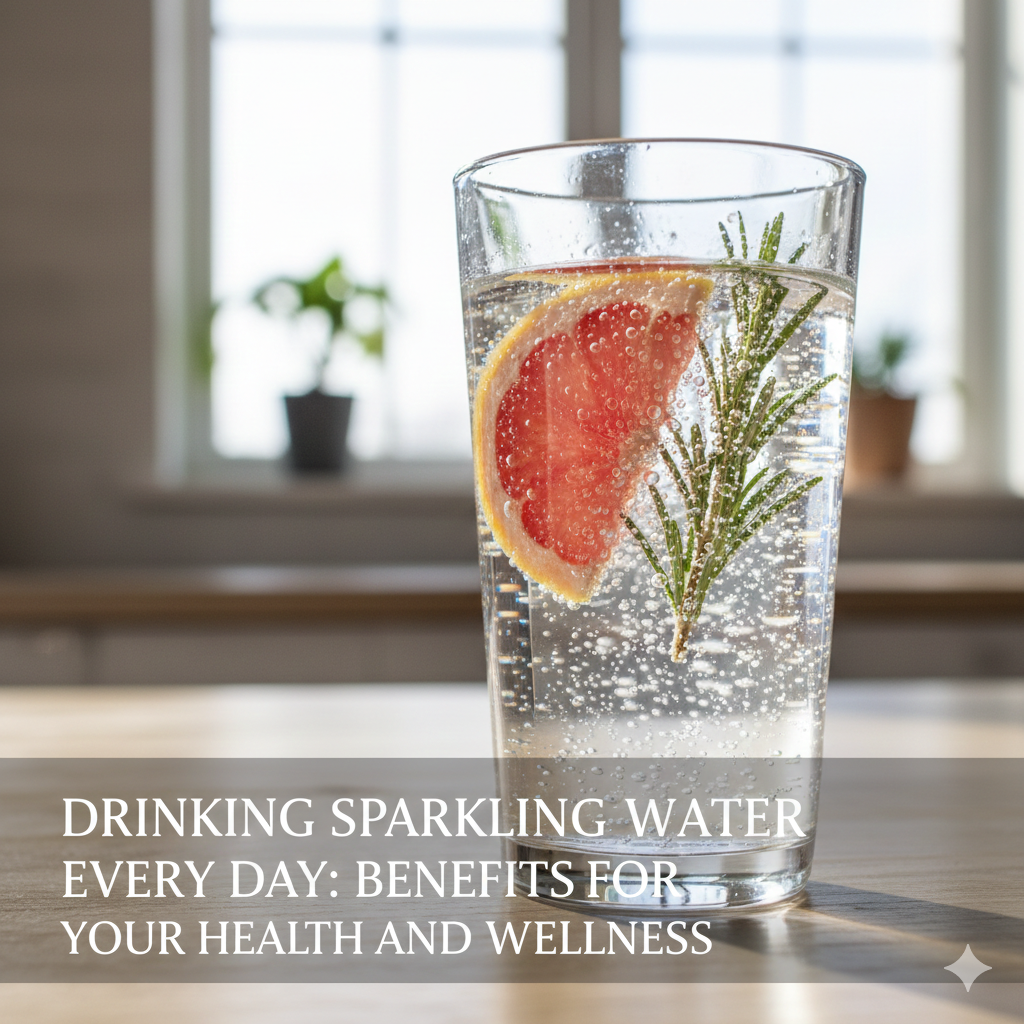
For decades, the standard advice for hydration was simple: drink eight glasses of flat, plain water a day. But as our collective focus on Health and Wellness has evolved, so has our palate. Enter Sparkling Water—the bubbly, refreshing alternative that has transformed from a fancy dinner party staple into a daily necessity for millions.
But does swapping your still water for carbonation come with a catch? Many people wonder if the acidity harms their teeth, if the “fizz” causes bloating, or if it truly hydrates as effectively as regular water. In this comprehensive guide, we dive deep into the science of drinking Sparkling Water every day, exploring how it impacts your body, its role in weight management, and how to choose the best varieties to support your long-term Health and Wellness.
Hydration Science: Does Sparkling Water Count Toward Your Daily Goals?
The most common myth surrounding carbonated water is that the bubbles “dehydrate” you. Fortunately, science in 2026 has firmly debunked this. Sparkling Water is just as hydrating as still water. When you drink carbonated water, your body absorbs the $H_2O$ molecules in the exact same way it does with flat water.
For those who find plain water “boring,” the sensory experience of carbonation can actually encourage higher fluid intake. If the tactile sensation of the bubbles makes you reach for your bottle more often, your overall Health and Wellness metrics—such as skin elasticity, kidney function, and energy levels—will likely improve.
Key Statistics for 2026:
- 98% Efficiency: Studies show that carbonated water is 98% as effective as still water in maintaining cellular hydration over a 24-hour period.
- 25% Increase in Intake: Individuals who stock Sparkling Water at home report drinking 25% more total water daily compared to those who only drink still water.
- 0 Calories: Pure carbonated water contains zero calories, making it the #1 alternative for those moving away from sugary sodas.
Digestion and Satiety: How the “Fizz” Supports Weight Management
One of the hidden benefits of drinking Sparkling Water every day is its impact on the digestive system. The carbon dioxide gas in the water can help trigger a sense of fullness. When the bubbles hit your stomach, they occupy space and send signals to the brain that you are satiated.
Furthermore, for individuals struggling with chronic constipation, Sparkling Water has been shown to improve “gastric emptying” and bowel regularity. By stimulating the nerves responsible for swallowing and digestion, a daily glass of bubbly water can be a simple, drug-free way to keep your digestive tract moving efficiently.
The Dental and Bone Health Debate: Fact vs. Fiction
A major pain point for consumers is the fear that Sparkling Water erodes tooth enamel or leaches calcium from bones. Let’s look at the facts.
- Bone Health: There is zero evidence that carbonated water affects bone mineral density. This myth originated from studies on colas, which contain phosphoric acid. Pure Sparkling Water does not have this ingredient.
- Dental Enamel: While carbonation creates a slightly acidic environment ($pH$ of about 3 to 4), it is significantly less damaging than fruit juices or sodas. As long as you aren’t sipping on water with added citric acid or sugar all day, the risk to your enamel is minimal.
Tips for Dental Protection:
- Drink with Meals: Saliva produced during eating helps neutralize the slight acidity.
- Rinse with Still Water: If you are a heavy drinker, a quick swish of plain water can restore $pH$ levels.
- Check for Additives: Avoid “sparkling beverages” that list sugar or citric acid as primary ingredients.
Choosing the Best Bubbly: Mineral Water vs. Seltzer vs. Club Soda
Not all bubbles are created equal. To maximize your Health and Wellness journey, you need to know what is in your bottle.
- Seltzer: Just water and carbon dioxide. Best for pure hydration.
- Mineral Water: Naturally carbonated from a spring, containing minerals like magnesium, calcium, and sodium. This is the “gold standard” for daily wellness.
- Club Soda: Man-made carbonation with added minerals (like potassium bicarbonate) for taste.
- Tonic Water: Avoid for daily use. It contains significant amounts of added sugar and quinine.
Case Study: The “Soda Swap” Transformation
In a 2025 community health study, 100 participants replaced their daily afternoon soda with a chilled Sparkling Water infused with fresh lime. After six months, the group showed an average weight loss of 8 pounds and a 12% reduction in fasting blood sugar levels. The simple switch allowed them to maintain the “ritual” of a fizzy drink without the inflammatory effects of high-fructose corn syrup.
Potential Drawbacks: When Should You Limit the Bubbles?
While Sparkling Water is generally excellent for your Health and Wellness, it isn’t for everyone. If you suffer from Irritable Bowel Syndrome (IBS) or frequent acid reflux, the extra gas can lead to discomfort, bloating, or burping.
Additionally, some “flavored” sparkling waters use artificial sweeteners like erythritol or aspartame. While calorie-free, these can sometimes disrupt the gut microbiome in sensitive individuals. Always read the label: the best ingredients list is simply “Carbonated Water” and “Natural Flavors.”
Conclusion: Should You Drink It Every Day?
The verdict is clear: Drinking Sparkling Water every day is a fantastic way to support your Health and Wellness goals. It provides the same hydration as still water, aids in digestion, and serves as a powerful tool for those looking to cut back on sugary beverages. As long as you choose varieties without added sugars and monitor how your stomach handles the carbonation, you can enjoy the fizz guilt-free.
Call to Action: Ready to refresh your hydration habit? Try swapping your mid-day caffeinated drink for a tall glass of mineral-rich sparkling water today and feel the difference in your energy levels!
Frequently Asked Questions (FAQ)
Q1: Does sparkling water cause kidney stones?
A: No. In fact, some mineral-rich sparkling waters contain calcium and magnesium, which can actually help prevent certain types of stones by binding to oxalates in the digestive tract.
Q2: Can I give sparkling water to my kids?
A: Yes, it is a much healthier alternative to juice or soda. Just ensure they aren’t drinking it so much that it replaces nutrient-dense foods or causes gas pain.
Q3: Is it okay to drink it on an empty stomach?
A: For most, yes. For some, it may cause a slight feeling of bloating or “fullness,” which can actually help with portion control during your next meal.
Q4: Does carbonation affect athletic performance?
A: It’s best to stick to still water during a workout to avoid gas or bloating while moving. However, it is great for rehydrating after your session.
Q5: Is flavored sparkling water as healthy as plain?
A: If it is unsweetened and uses natural essences, yes. Avoid “sparkling waters” that contain sucralose, aspartame, or added dyes.
