
Discover mushroom soup benefits, nutrition facts, and what happens when you eat mushroom soup every day for immunity, weight loss, and overall health.
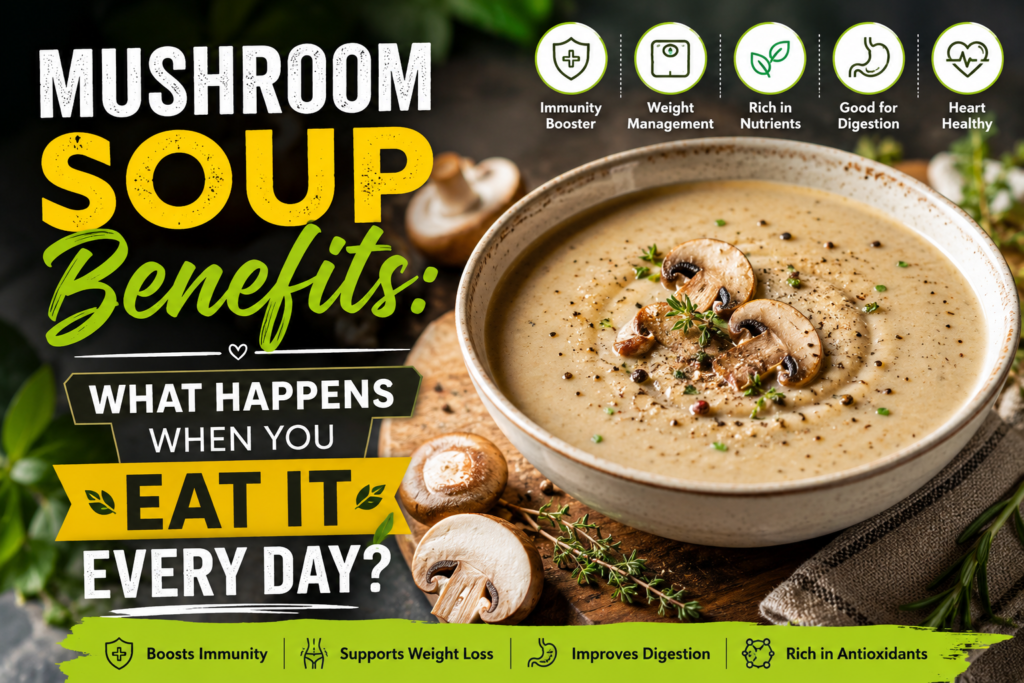
Mushroom soup has become one of the most popular comfort foods among health-conscious people—and for good reason. Beyond its rich flavor and creamy texture, mushroom soup is packed with nutrients that may support immunity, weight management, digestion, heart health, and even brain function.
But what actually happens when you eat mushroom soup every day?
Can it improve your health, or are there any downsides to daily consumption?
In this detailed guide, we’ll explore the most important mushroom soup benefits, the science behind mushrooms, and how adding this nutritious dish to your routine may positively affect your body. You’ll also learn practical tips for making mushroom soup healthier, common mistakes to avoid, and whether eating mushroom soup every day is truly a good idea.
If you’re looking for a delicious and easy way to support your wellness goals, this article will help you understand why mushroom soup deserves a place in your meal plan.
Why Mushroom Soup Is Considered a Healthy Food
Mushrooms are low in calories yet rich in important nutrients. When prepared with healthy ingredients, mushroom soup becomes a nutrient-dense meal that supports multiple aspects of health.
According to nutrition research:
- One cup of mushrooms contains only about 15–20 calories
- Mushrooms provide B vitamins, selenium, potassium, and antioxidants
- Many mushroom varieties contain beta-glucans that support immunity
- Mushrooms are naturally low in fat and cholesterol-free
- They contain fiber that helps digestion and fullness
These nutrients make mushroom soup an excellent choice for people who want healthy comfort food without excessive calories.
Key Nutrients Found in Mushroom Soup
- Vitamin D
- Selenium
- Potassium
- Copper
- Fiber
- B Vitamins
- Antioxidants
- Beta-glucans
The nutritional value depends on the type of mushroom used and the soup ingredients. Homemade mushroom soup with fresh mushrooms and light cream or broth is usually healthier than processed canned versions.
Mushroom Soup Benefits for Immunity and Overall Health
One of the biggest mushroom soup benefits is its ability to support the immune system.
Mushrooms contain powerful antioxidants and compounds that may help the body fight inflammation and oxidative stress. Certain mushrooms such as shiitake, maitake, and reishi have been studied for their immune-supporting properties.
Research suggests that mushrooms contain beta-glucans, natural fibers that may help activate immune cells. These compounds are associated with better immune response and overall wellness.
How Mushroom Soup Supports Immunity
1. Rich in Antioxidants
Mushrooms contain antioxidants like ergothioneine and selenium. These compounds help protect cells from damage caused by free radicals.
2. Helps Reduce Inflammation
Chronic inflammation is linked to many health issues, including heart disease and diabetes. Mushroom compounds may help lower inflammatory markers in the body.
3. Supports Gut Health
A healthy gut contributes to a stronger immune system. Mushroom fiber feeds beneficial gut bacteria and promotes digestive balance.
4. Provides Vitamin D
Some mushrooms naturally contain vitamin D, especially when exposed to sunlight or UV light. Vitamin D plays an important role in immune health.
Example: Daily Immune Support
Imagine replacing a heavy processed lunch with homemade mushroom soup three times per week. Over time, this simple change may help reduce excess calorie intake while increasing antioxidant and nutrient consumption.
Many people report:
- Better digestion
- Improved energy levels
- Feeling fuller longer
- Reduced cravings for unhealthy snacks
While mushroom soup is not a miracle cure, it can become part of a healthy and balanced lifestyle.
What Happens When You Eat Mushroom Soup Every Day?
Eating mushroom soup every day can have both positive effects and a few considerations depending on ingredients and portion sizes.
For most healthy adults, moderate daily consumption of homemade mushroom soup can be beneficial.
Potential Benefits of Eating Mushroom Soup Daily
Improved Digestion
Mushrooms contain dietary fiber that supports regular digestion and healthy gut bacteria.
Better Weight Management
Mushroom soup is naturally low in calories but filling. This combination may help reduce overeating.
Increased Nutrient Intake
Daily mushroom soup can provide:
- Essential minerals
- Antioxidants
- Hydration
- Vitamins
More Stable Energy
B vitamins found in mushrooms help the body convert food into energy efficiently.
Reduced Processed Food Consumption
Replacing fast food or unhealthy snacks with mushroom soup may improve overall diet quality.
Are There Any Downsides?
While mushroom soup benefits are impressive, there are a few things to consider.
High Sodium in Processed Soups
Store-bought canned soups often contain excessive sodium. Too much sodium may contribute to high blood pressure.
Heavy Cream Calories
Cream-based mushroom soups can become high in calories and saturated fat if consumed excessively.
Mushroom Allergies
Although rare, some people may have mushroom sensitivities or allergies.
The healthiest option is homemade mushroom soup made with fresh ingredients and moderate seasoning.
Mushroom Soup Benefits for Weight Loss and Fitness
One reason mushroom soup is trending online is its connection to weight loss and healthy eating.
People trying to lose weight often struggle with hunger and cravings. Mushroom soup can help because it is filling without being calorie-dense.
Why Mushroom Soup Supports Weight Loss
Low-Calorie Food
A bowl of homemade mushroom soup can contain significantly fewer calories than fried or processed meals.
High Water Content
Soup naturally contains water, which helps fullness and hydration.
Fiber Helps You Stay Full
The fiber in mushrooms slows digestion and may reduce overeating.
Supports Healthy Meal Planning
Mushroom soup works well as:
- A healthy lunch
- A light dinner
- A meal starter
- A low-calorie snack
Weight Loss Tips Using Mushroom Soup
- Use low-fat milk or broth instead of heavy cream
- Add vegetables like spinach or carrots
- Avoid excessive butter
- Pair soup with lean protein
- Control portion sizes
Real-Life Example
Sarah, a busy office worker, replaced her fast-food lunches with homemade mushroom soup four days a week. Within three months, she noticed:
- Reduced afternoon cravings
- Better digestion
- Improved portion control
- Gradual weight loss
This example highlights how simple dietary swaps can create meaningful changes over time.
Brain, Heart, and Mental Health Benefits of Mushroom Soup
Many people are surprised to learn that mushroom soup may also support brain and heart health.
Mushrooms contain compounds linked to cognitive wellness and cardiovascular support.
Brain Health Benefits
Some mushroom varieties contain antioxidants that may help protect brain cells from oxidative stress.
Research suggests mushrooms may support:
- Memory
- Focus
- Cognitive function
- Healthy aging
Lion’s mane mushrooms, in particular, have gained popularity for their potential brain-supporting effects.
Heart Health Benefits
Mushroom soup can support heart health when prepared with healthy ingredients.
Potassium Supports Blood Pressure
Potassium helps balance sodium levels in the body.
Low Cholesterol Food
Mushrooms are naturally cholesterol-free.
Fiber May Support Healthy Cholesterol Levels
Dietary fiber contributes to better heart health and improved digestion.
Mental Wellness and Comfort Eating
Warm soup can also provide emotional comfort and stress relief.
Eating nourishing foods regularly may support:
- Better mood
- Relaxation
- Healthy routines
- Mindful eating habits
Comfort foods do not always need to be unhealthy. Mushroom soup is a good example of comfort and nutrition working together.
Best Ways to Make Mushroom Soup Healthier
Not all mushroom soups are equally healthy.
Restaurant or canned soups may contain:
- Excess sodium
- Artificial ingredients
- Preservatives
- Excess cream
Making mushroom soup at home gives you more control over ingredients and nutrition.
Healthy Mushroom Soup Ingredients
Best Mushroom Types
- Shiitake
- Button mushrooms
- Portobello
- Cremini
- Oyster mushrooms
Healthy Additions
- Garlic
- Onion
- Spinach
- Herbs
- Olive oil
- Low-sodium broth
Simple Healthy Recipe Formula
- Sauté garlic and onions
- Add sliced mushrooms
- Pour in vegetable broth
- Simmer for 15–20 minutes
- Blend partially for creaminess
- Add herbs and black pepper
This method creates a flavorful soup without excessive fat.
Common Mistakes to Avoid
Using Too Much Cream
Excess cream increases calories quickly.
Overcooking Mushrooms
Overcooked mushrooms may lose texture and flavor.
Too Much Salt
Use herbs and spices for flavor instead of relying only on salt.
Ignoring Portion Sizes
Even healthy foods should be eaten in balanced amounts.
Additional Mushroom Soup Benefits You Should Know
Besides immunity and weight management, mushroom soup may also support:
- Healthy skin
- Better hydration
- Improved digestion
- Reduced inflammation
- Healthy aging
- Balanced blood sugar levels
The combination of nutrients and antioxidants makes mushroom soup a versatile addition to many healthy diets.
Conclusion
Mushroom soup is far more than a comforting meal—it is a nutrient-rich food that may support immunity, digestion, weight management, heart health, and overall wellness.
When you eat mushroom soup every day, you may notice benefits such as improved fullness, better nutrition, and healthier eating habits. However, the key is choosing healthy ingredients and avoiding excessive sodium or heavy cream.
Whether you want to lose weight, strengthen your immune system, or simply enjoy a delicious healthy meal, mushroom soup can be an excellent addition to your diet.
Start by making simple homemade versions using fresh mushrooms, herbs, and low-sodium broth. Small dietary improvements made consistently often lead to the biggest long-term results.
If you enjoyed this guide, explore more healthy recipe ideas and nutrition tips to continue building a healthier lifestyle.
Frequently Asked Questions
1. Is mushroom soup healthy to eat every day?
Yes, homemade mushroom soup can be healthy when prepared with balanced ingredients and moderate sodium levels.
2. Can mushroom soup help with weight loss?
Mushroom soup may support weight loss because it is filling, low in calories, and rich in fiber.
3. Which mushrooms are best for soup?
Button, cremini, shiitake, and portobello mushrooms are popular choices for nutritious mushroom soup.
4. Does mushroom soup boost immunity?
Mushrooms contain antioxidants and beta-glucans that may support immune health.
5. Is canned mushroom soup healthy?
Some canned soups are high in sodium and preservatives. Homemade versions are generally healthier.
