
Discover better ways to stay hydrated in summer heat with practical tips, hydration science, foods, drinks, and habits to prevent dehydration naturally.
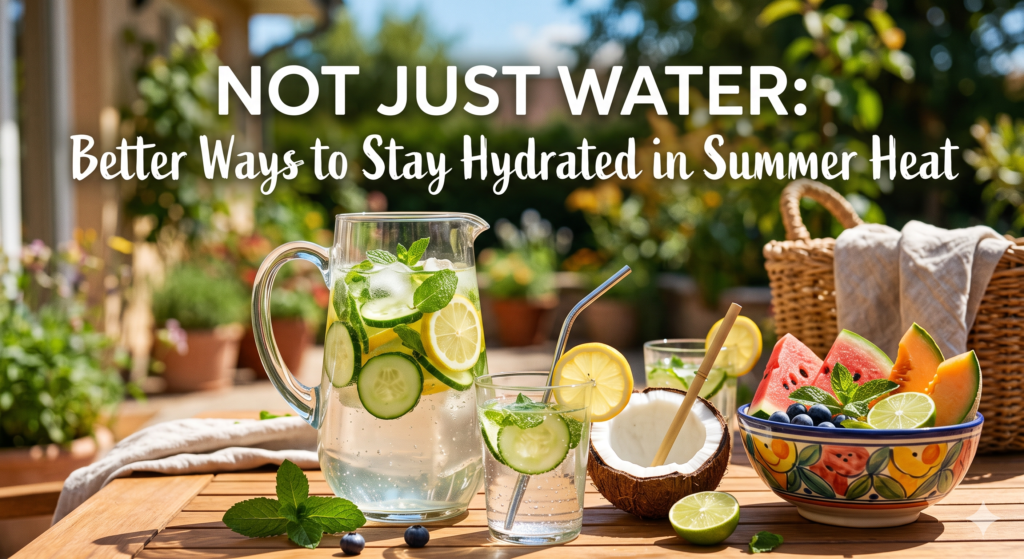
When summer heat arrives, staying hydrated becomes more important than most people realize. High temperatures, long sunny days, and increased sweating can quickly drain your body’s fluid levels, leaving you feeling tired, dizzy, or low on energy.
Most people assume that simply drinking more water is enough to stay healthy in hot weather. While water is essential, it is not the complete solution. Your body also loses important minerals like sodium, potassium, and magnesium through sweat. These are called electrolytes, and they play a major role in keeping your body balanced and energized.
This is where understanding Better Ways to Stay Hydrated in Summer Heat becomes essential. Hydration is not just about quantity—it is about how your body absorbs and retains fluids effectively throughout the day.
Many people experience dehydration symptoms even when they think they are drinking enough water. This happens because hydration depends on multiple factors such as diet, timing, activity level, and environmental heat. Without the right balance, water alone may not fully restore your body’s hydration needs.
In this guide, we will explore practical and science-backed Better Ways to Stay Hydrated that go beyond plain water. You will learn how smart drinking habits, hydrating foods, and electrolyte balance can significantly improve how your body handles heat.
We will also break down common hydration mistakes, provide real-life examples, and share simple strategies that you can apply immediately in your daily routine. Whether you are working outdoors, traveling, exercising, or simply dealing with a heatwave, these tips will help you stay refreshed and energized.
By the end of this article, you will clearly understand how to build a complete hydration routine that keeps your body cool, active, and healthy even in extreme summer temperatures.
Why Water Alone Isn’t Always Enough in Hot Weather
Water is essential for life, but in hot weather it is not always enough on its own. When temperatures rise, your body loses fluids through sweat, but it also loses important minerals called electrolytes like sodium, potassium, and magnesium.
The human body is made up of around 55–65% water, and even mild dehydration of just 1–2% can reduce energy levels, focus, and physical performance. In extreme heat conditions, sweat loss can reach up to 1–1.5 liters per hour, especially during outdoor activity or exercise.
This is why many people still feel tired, dizzy, or dehydrated even after drinking a lot of water. The real issue is that they are missing electrolyte balance, which is a key part of Better Ways to Stay Hydrated in Summer Heat.
Drinking only plain water in large amounts can sometimes dilute sodium levels in the body, which may cause weakness, fatigue, or headaches in extreme cases. So hydration is not just about drinking more water—it is about balance.
👉 The real Better Ways to Stay Hydrated focus on both fluids and minerals working together.
Better Ways to Stay Hydrated in Summer Heat (Smart Drinking Habits)
One of the most effective Better Ways to Stay Hydrated in Summer Heat is to improve your drinking habits instead of just increasing water intake.
Instead of drinking large amounts at once, your body absorbs fluids better when you take small, frequent sips throughout the day. This keeps hydration steady and avoids sudden overload.
Start your day with 1–2 glasses of water to rehydrate after sleep. During the day, especially in hot afternoons, your body loses fluids faster, so regular hydration is important even if you do not feel thirsty—because thirst is already a late sign of dehydration.
Simple hydration routine:
- Morning: 1–2 glasses of water
- Midday: frequent small sips
- Hot afternoon: coconut water or electrolyte drink
- Evening: moderate intake to avoid sleep disruption
These habits form the foundation of Better Ways to Stay Hydrated because they maintain consistent hydration instead of irregular drinking patterns.
Foods That Improve Hydration Naturally
Hydration doesn’t come only from drinks—food contributes up to 20–30% of daily fluid intake.
Hydrating foods include:
Fruits:
- Watermelon (92% water)
- Strawberries (91% water)
- Oranges (86% water)
- Grapefruit (88% water)
Vegetables:
- Cucumber (96% water)
- Lettuce (95% water)
- Celery (95% water)
- Zucchini (94% water)
Other hydration boosters:
- Yogurt (contains electrolytes + fluids)
- Soups and broths
- Coconut water (natural electrolytes)
Why food matters:
Foods provide water + minerals + fiber, which help your body absorb fluids more efficiently than plain water alone.
Electrolytes – The Missing Piece in Summer Hydration
Electrolytes are minerals that control hydration balance, nerve function, and muscle activity. Without them, hydration is incomplete even if you drink enough water.
The main electrolytes include sodium, potassium, magnesium, and calcium. These are lost quickly through sweat, especially in hot weather or physical activity.
Common signs of electrolyte imbalance:
- Headaches
- Muscle cramps
- Fatigue even after drinking water
- Dizziness or weakness
To improve Better Ways to Stay Hydrated in Summer Heat, you need to replace electrolytes as well as fluids.
Best sources include:
- Coconut water (natural electrolytes)
- Lemon water with a pinch of salt
- Electrolyte tablets or powders
- Sports drinks (occasional use only)
This balance ensures your body retains fluids properly and prevents dehydration symptoms even in extreme heat.
Common Hydration Mistakes People Make in Summer
Even when people try to stay hydrated, they often make mistakes that reduce effectiveness. These errors stop them from achieving real Better Ways to Stay Hydrated results.
Most common mistakes:
1. Drinking only when thirsty
Thirst means dehydration has already started.
2. Overdrinking plain water
Can dilute electrolytes.
3. Ignoring salt balance
Low sodium can worsen fatigue.
4. Too much caffeine or alcohol
Both increase fluid loss.
5. Not adjusting for activity level
Exercise in heat significantly increases fluid needs.
Simple fix:
Think of hydration as a system, not just “drinking water.”
Case Study: Outdoor Worker in Summer Heat
A delivery worker in high summer temperatures (around 30–35°C) initially reported fatigue, headaches, and low energy despite drinking 2–3 liters of water daily.
Problem:
- Only plain water intake
- No electrolytes
- Irregular drinking pattern
- High sweat loss during shifts
Solution applied:
- Added electrolyte drink once per day
- Increased hydration frequency (small sips every 30–60 minutes)
- Included hydrating fruits (watermelon, oranges)
- Reduced caffeine during work hours
Result after 7 days:
- Energy levels improved
- Fewer headaches
- Better focus and endurance
- Reduced fatigue after shifts
This shows that hydration quality matters more than quantity alone.
Key Statistics You Should Know
- Adults lose up to 2–3 liters of water daily through sweat and breathing in hot climates
- Mild dehydration (1–2%) can reduce cognitive performance by up to 20%
- Heat exposure can increase water needs by 30–50%
- Around 75% of people are chronically dehydrated during summer months (varies by region studies)
- Electrolyte imbalance is a common cause of heat-related fatigue in active individuals
Conclusion
Staying hydrated in summer is not just about drinking more water—it’s about drinking smarter, eating better, and balancing electrolytes.
The better ways to stay hydrated in summer heat include consistent fluid intake, hydrating foods, electrolyte balance, and avoiding common hydration mistakes.
When you combine these strategies, you don’t just prevent dehydration—you improve energy, focus, and overall well-being during hot weather.
Call to Action
Start today by upgrading your hydration routine: add one electrolyte-rich drink, include hydrating fruits, and track your daily fluid intake for better results.
FAQs
1. How much water should I drink in summer heat?
It depends on activity level, but most adults need 2–3.5 liters daily, more in extreme heat or exercise.
2. Can I stay hydrated without drinking only water?
Yes, foods like fruits, vegetables, and electrolyte drinks also contribute significantly.
3. What are early signs of dehydration?
Dry mouth, fatigue, headaches, dizziness, and dark yellow urine.
4. Are sports drinks good for daily hydration?
They are useful after heavy sweating but not ideal for everyday use due to sugar content.
5. What is the fastest way to rehydrate?
Water combined with electrolytes is the fastest and most effective method.
