
Learn how to clean berries before eating with proven methods that help remove dirt, pesticides, and bacteria while keeping berries fresh and delicious.
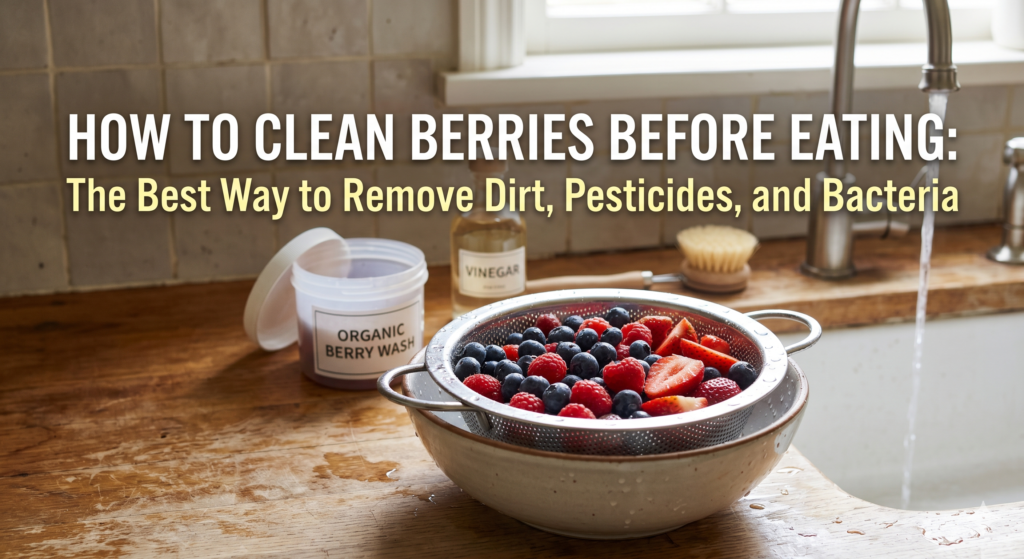
Fresh berries are among the healthiest foods you can add to your diet. Strawberries, blueberries, raspberries, and blackberries are packed with vitamins, antioxidants, fiber, and natural compounds that support overall health. However, before enjoying these nutritious fruits, it’s important to understand how to clean berries before eating properly.
Many people simply rinse berries under water and assume they are safe to consume. While rinsing can remove some surface dirt, it may not eliminate all contaminants. During growing, harvesting, transportation, and storage, berries can be exposed to soil, bacteria, pesticide residues, and even mold spores.
According to food safety experts, proper washing techniques can significantly reduce contaminants and improve food safety. Since berries are often eaten raw, taking a few extra minutes to clean them correctly can help protect your health and extend their freshness.
In this guide, you’ll learn:
- Why cleaning berries matters
- The safest methods for washing berries
- Whether vinegar is effective for cleaning berries
- Common mistakes people make
- How to store berries after washing
- Expert tips for maximizing freshness
By the end of this article, you’ll know exactly how to clean berries before eating and enjoy them with confidence.
Why Cleaning Berries Before Eating Is Important
Berries may look clean when purchased, but appearances can be deceiving. Several contaminants can be present on their surfaces.
Dirt and Debris
Berries grow close to nature and often come into contact with soil, dust, and organic matter. Even commercially packaged berries can contain tiny particles that are difficult to see.
Pesticide Residues
Many commercial farms use pesticides to protect crops from insects and diseases. While regulations help ensure safety, trace residues can remain on fruit surfaces.
Bacteria and Germs
Berries pass through multiple hands and environments before reaching your kitchen. Harmful bacteria such as E. coli, Salmonella, and Listeria can sometimes contaminate fresh produce.
Mold Spores
Berries are highly perishable. Mold can spread quickly from one berry to another, even if only a single berry appears affected.
Statistics You Should Know
- Approximately 48 million Americans experience foodborne illness each year.
- Fresh produce is among the most common sources of foodborne illness outbreaks.
- Studies show that proper washing can significantly reduce surface contaminants on fruits and vegetables.
Understanding these risks highlights why learning how to clean berries properly is an essential food safety practice.
The Best Way to Clean Berries Before Eating
When it comes to cleaning berries, simple methods are often the most effective.
Step 1: Sort the Berries
Before washing, inspect your berries carefully.
Remove:
- Moldy berries
- Bruised berries
- Damaged berries
- Stems and leaves if desired
One moldy berry can accelerate spoilage in the entire container.
Step 2: Prepare a Cleaning Solution
There are two commonly recommended options:
Option 1: Cold Water Rinse
For everyday cleaning:
- Place berries in a colander.
- Rinse gently under cool running water.
- Shake off excess moisture.
- Pat dry with paper towels.
Option 2: Vinegar Solution
For deeper cleaning:
- Mix one part white vinegar with three parts water.
- Soak berries for 5–10 minutes.
- Rinse thoroughly with clean water.
- Dry completely before storing.
Many food safety experts recommend this method because vinegar may help reduce bacteria and mold spores.
Step 3: Dry Thoroughly
Moisture is the enemy of fresh berries.
After washing:
- Spread berries on a clean towel.
- Pat gently until dry.
- Allow air drying for several minutes.
Proper drying can help berries stay fresh longer.
Does Vinegar Really Remove Dirt, Pesticides, and Bacteria?
One of the most common questions people ask is whether vinegar actually works.
Benefits of Using Vinegar
Vinegar has natural acidic properties that may help:
- Loosen dirt
- Reduce some bacteria
- Minimize mold growth
- Extend berry shelf life
What Vinegar Cannot Do
It’s important to have realistic expectations.
Vinegar does not:
- Sterilize berries completely
- Remove every pesticide residue
- Replace proper refrigeration
Research Findings
Research has shown that washing fruits with vinegar solutions may reduce microbial contamination more effectively than water alone.
However, experts agree that thorough rinsing after soaking is essential to remove any vinegar taste.
Best Vinegar Ratio
For optimal results:
- 1 part white vinegar
- 3 parts water
Avoid stronger mixtures because they may affect berry texture and flavor.
Common Mistakes People Make When Washing Berries
Even health-conscious consumers sometimes make mistakes that reduce freshness or food safety.
Washing Too Early
One of the biggest mistakes is washing berries immediately after bringing them home.
Excess moisture encourages mold growth.
Instead:
- Wash berries just before eating
- Or dry thoroughly if washing before storage
Using Soap
Never wash berries with:
- Dish soap
- Produce soap
- Household cleaners
These products can leave residues that are unsafe to consume.
Soaking Too Long
Long soaking periods may:
- Make berries mushy
- Reduce texture quality
- Increase spoilage
Limit soaking time to 5–10 minutes.
Ignoring Moldy Berries
One moldy berry can quickly affect surrounding fruit.
Always inspect containers carefully before storage.
Skipping the Drying Process
Many people wash berries but forget to dry them.
This can shorten shelf life significantly.
How to Store Berries After Cleaning for Maximum Freshness
Proper storage is just as important as proper cleaning.
Storage Best Practices
Follow these simple steps:
- Ensure berries are completely dry.
- Use a breathable container.
- Line the container with paper towels.
- Store in the refrigerator.
- Remove damaged berries immediately.
Refrigerator Storage Times
- Strawberries: 5–7 days
- Blueberries: 7–14 days
- Raspberries: 2–4 days
- Blackberries: 3–6 days
Real-Life Example
Sarah regularly purchased strawberries every week but found they spoiled within three days.
After switching to a vinegar wash, thoroughly drying the berries, and storing them in a paper towel-lined container, she extended freshness to nearly seven days.
While results vary, many consumers report similar improvements when combining proper cleaning and storage techniques.
Conclusion
Learning how to clean berries before eating is one of the simplest ways to improve food safety and enjoy fresh fruit with confidence. Whether you choose a quick water rinse or a vinegar solution, the key steps remain the same: remove damaged berries, wash thoroughly, dry completely, and store properly.
The best method combines careful inspection, gentle cleaning, and proper storage practices. These steps help reduce dirt, pesticide residues, bacteria, and mold while keeping your berries fresher for longer.
The next time you bring home strawberries, blueberries, raspberries, or blackberries, take a few extra minutes to clean them correctly. Your health—and your berries—will benefit.
Call to Action:
Have a favorite berry-cleaning method? Share your experience and tips in the comments below, and don’t forget to explore our other food safety and healthy eating guides.
Frequently Asked Questions
1. How do you clean berries before eating?
The safest method is rinsing under cool running water or soaking in a 1:3 vinegar-water solution for 5–10 minutes followed by a thorough rinse.
2. Should you soak berries in vinegar before eating?
A vinegar soak can help reduce dirt, bacteria, and mold spores. Be sure to rinse thoroughly afterward.
3. Does vinegar remove pesticides from berries?
Vinegar may help reduce some surface residues, but it does not eliminate all pesticides completely.
4. How long should berries soak in vinegar?
Most experts recommend 5–10 minutes.
5. Should berries be washed before storing?
Generally, wash berries before eating. If washing before storage, ensure they are completely dry to prevent mold growth.
